
Introduction
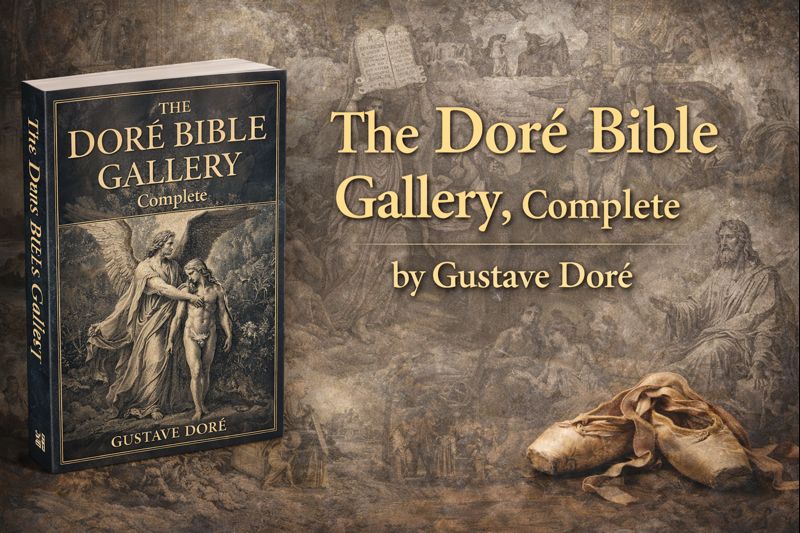
The Doré Bible Gallery, Complete is a celebrated artistic collection created by Gustave Doré, one of the most influential illustrators of the 19th century. Rather than being a traditional narrative book, this work is a visual masterpiece that presents a series of detailed illustrations inspired by stories and passages from the Bible. Doré’s engravings transform sacred texts into powerful visual interpretations that combine dramatic emotion, symbolism, and artistic precision.
The gallery has played a major role in shaping how biblical scenes have been visually imagined across generations, influencing religious art, literature, and popular culture.
About the Artist: Gustave Doré
Gustave Doré (1832–1883) was a French artist, engraver, and illustrator renowned for his ability to bring literary and religious texts to life through imagery. He illustrated works by Dante, Milton, Cervantes, and the Bible, earning international recognition for his dramatic and imaginative style.
Doré’s biblical illustrations are among his most famous works, admired for their emotional intensity, grand scale, and meticulous detail. His art bridges the gap between classical religious iconography and modern visual storytelling.
Purpose and Nature of the Doré Bible Gallery
The Doré Bible Gallery is not intended to replace the biblical text but to visually interpret and enhance it. The collection presents scenes from both the Old and New Testaments, allowing viewers to experience biblical narratives through imagery rather than words alone.
The book serves several purposes:
Artistic interpretation of sacred stories
Educational reference for religious and art studies
Cultural preservation of 19th-century religious art
Visual storytelling for a broad audience
Doré’s goal was to make biblical themes accessible and emotionally resonant, even for viewers unfamiliar with the text.
Structure and Content Overview
The gallery is organized around key biblical events and figures, including:
Creation and early humanity
Stories of prophets and kings
Moral struggles and divine judgment
The life and teachings of Jesus
Scenes of suffering, redemption, and hope
Each illustration stands as an independent work of art while contributing to the larger biblical narrative.
Artistic Style and Visual Language
Doré’s style is characterized by dramatic contrasts, strong use of light and shadow, and monumental compositions. His engravings often depict vast landscapes, towering architecture, and small human figures, emphasizing humanity’s fragility in the presence of divine power.
Key features of his style include:
Intense emotional expression
Symbolic use of darkness and light
Dynamic movement and composition
Detailed environments that enhance narrative meaning
These elements give the illustrations a cinematic quality that was revolutionary for its time.
Themes Explored Through Imagery
1. Divine Power and Human Vulnerability
Many illustrations highlight the overwhelming scale of divine presence compared to human figures. Storms, celestial light, and towering angels reinforce the idea of a higher power guiding or judging humanity.
Key idea: Humanity is small, fragile, and morally accountable within a vast spiritual universe.
2. Faith, Suffering, and Redemption
Doré frequently depicts moments of hardship, sacrifice, and suffering. These scenes emphasize faith as a source of strength and redemption rather than comfort.
The emotional weight of these illustrations invites reflection on perseverance, obedience, and hope.
3. Moral Conflict and Choice
Biblical stories often revolve around moral decisions, and Doré captures these moments visually. His characters appear deeply conflicted, emphasizing internal struggle as much as external action.
4. Light as Symbolism
Light in Doré’s work represents divine presence, truth, and hope. Darkness, in contrast, symbolizes fear, sin, or uncertainty. This visual language helps viewers intuitively understand the moral tone of each scene.
The Old Testament Illustrations
Doré’s Old Testament scenes are grand and dramatic. Stories of creation, prophets, and ancient kings are depicted with epic scale. Landscapes are vast, and human figures appear overwhelmed by destiny and divine will.
These illustrations reflect themes of law, covenant, judgment, and endurance.
The New Testament Illustrations
In contrast, Doré’s New Testament works focus more on intimacy and compassion. Scenes from the life of Jesus emphasize humility, sacrifice, and spiritual transformation.
While still dramatic, these images often feel more personal and emotionally accessible, highlighting themes of forgiveness, mercy, and redemption.
Cultural and Historical Impact
The Doré Bible Gallery has had a lasting influence on religious art and popular imagery. Doré’s interpretations shaped how biblical scenes were visualized in churches, books, and educational materials throughout Europe and America.
His work also influenced later illustrators, filmmakers, and visual storytellers who sought to combine narrative depth with visual drama.
Educational and Artistic Value
Beyond religious significance, the gallery is widely studied in:
Art history
Visual storytelling
Religious studies
Cultural history
It demonstrates how illustration can serve as a powerful interpretive tool, transforming written narratives into universal visual language.
Why the Doré Bible Gallery Still Matters
Even today, Doré’s illustrations remain relevant because they:
Communicate complex ideas visually
Bridge art, religion, and history
Appeal to both believers and art enthusiasts
Represent a peak of 19th-century engraving artistry
The gallery stands as a reminder of the power of art to shape belief, emotion, and understanding.
Practical Takeaways for Modern Readers
Visual art can deepen understanding of complex texts
Symbolism enhances emotional storytelling
Artistic interpretation reflects cultural values
Light and composition guide emotional response
Final Thoughts
The Doré Bible Gallery, Complete is a timeless fusion of art, faith, and storytelling. Gustave Doré’s illustrations elevate biblical narratives into monumental visual experiences that continue to inspire reflection and admiration.
Whether approached as a religious work, an artistic masterpiece, or a cultural artifact, the gallery offers profound insight into humanity’s spiritual imagination and artistic ambition.
Disclaimer
This article is an original summary and artistic analysis of The Doré Bible Gallery, Complete by Gustave Doré. It is intended for educational and informational purposes and does not replace the original work or sacred texts.