
Introduction
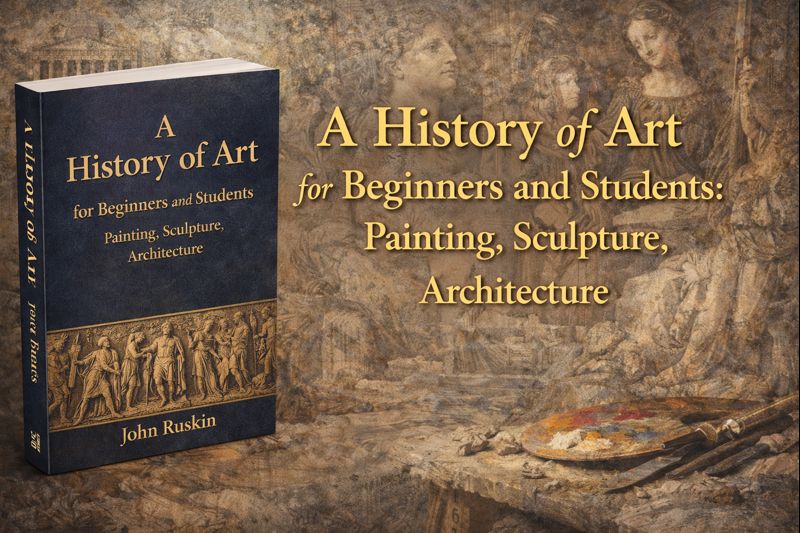
A History of Art for Beginners and Students: Painting, Sculpture, Architecture is a foundational educational book designed to introduce readers to the development of visual art across human history. The book serves as an accessible guide for beginners while remaining informative enough for students seeking structured knowledge of artistic traditions.
Rather than focusing on a single period or culture, the book offers a broad overview of how painting, sculpture, and architecture evolved in response to social, religious, political, and cultural forces. Its primary aim is to help readers understand not only what art looks like, but why it was created.
Purpose and Educational Approach
The book is written with clarity and instruction in mind. It avoids overly technical language and presents artistic concepts in a logical, chronological order. Each artistic discipline—painting, sculpture, and architecture—is treated as both an independent art form and part of a larger cultural system.
Key goals of the book include:
Teaching students how to observe and analyze art
Explaining historical context behind artistic styles
Demonstrating connections between art and civilization
Encouraging appreciation rather than memorization
This approach makes the book particularly valuable for newcomers to art history.
Art in Ancient Civilizations
The book begins with an exploration of ancient art, focusing on civilizations such as Egypt, Mesopotamia, Greece, and Rome.
Ancient Egyptian Art
Egyptian art is presented as symbolic and religious rather than expressive. Paintings and sculptures followed strict rules intended to honor gods and preserve the afterlife. Architecture, especially pyramids and temples, reflected beliefs about eternity and divine order.
Key idea: Art served spiritual and political purposes rather than personal expression.
Greek Art
Greek art represents a major shift toward realism, balance, and ideal beauty. Sculpture emphasized proportion and harmony, while architecture introduced classical orders and symmetry.
The book highlights how Greek artists sought to understand the human body and nature through observation and idealization.
Roman Art
Roman art adapted Greek models but focused more on practicality and realism. Architecture advanced significantly with the use of concrete, arches, and large-scale engineering.
Roman art reflected power, empire, and civic pride.
The Middle Ages and Religious Art
As the book moves into the Middle Ages, it shows how art became deeply connected to religion, particularly Christianity.
Medieval Painting and Sculpture
Art during this period focused on religious instruction rather than realism. Paintings and sculptures were symbolic, aiming to communicate spiritual truths to largely illiterate populations.
Figures were stylized, and emotional expression was secondary to meaning.
Gothic Architecture
The book explains how Gothic cathedrals represented spiritual aspiration. Tall structures, pointed arches, and stained glass windows were designed to inspire awe and direct attention toward heaven.
Architecture became a form of religious storytelling.
The Renaissance: Rebirth of Art
One of the most important sections of the book covers the Renaissance, a period marked by renewed interest in classical knowledge, science, and human potential.
Painting
Renaissance painters developed techniques such as perspective, shading, and anatomical accuracy. Art became more realistic, expressive, and focused on individual identity.
Sculpture
Sculptors revived classical ideals while emphasizing emotion and movement. Sculpture became more naturalistic and expressive than in medieval times.
Architecture
Renaissance architecture emphasized balance, proportion, and harmony, drawing inspiration from ancient Roman design.
Key idea: Art reflects a renewed confidence in human intellect and creativity.
Baroque and Later Artistic Movements
The book continues with later movements, including the Baroque period, which emphasized drama, movement, and emotional intensity.
Painting became more dynamic, sculpture more theatrical, and architecture more elaborate. Art was often used to inspire religious devotion or demonstrate political power.
As the book progresses, it introduces changes in artistic priorities, showing how styles evolved in response to social and cultural change.
Painting as Visual Storytelling
Throughout the book, painting is presented as a medium of storytelling. Whether religious, historical, or symbolic, paintings communicate ideas through color, composition, and subject matter.
The book teaches readers how to observe:
Use of light and color
Composition and balance
Symbolism and subject
Sculpture as Form and Meaning
Sculpture is discussed as an art of form, space, and material. The book emphasizes how sculptors must consider physical presence, durability, and viewer interaction.
Sculpture often reflects cultural ideals of beauty, power, and belief.
Architecture as Cultural Expression
Architecture is presented as the most public and enduring art form. Buildings reflect technological skill, social organization, and cultural values.
From temples and cathedrals to civic buildings, architecture shapes how societies live and interact.
The Relationship Between Art and Society
A central theme of the book is the idea that art mirrors civilization. Artistic styles change as societies change. Religion, politics, economy, and technology all influence artistic expression.
Understanding art, therefore, requires understanding history.
Why This Book Remains Important
A History of Art for Beginners and Students remains relevant because it provides:
A clear introduction to complex topics
A structured overview of art history
A foundation for further study
An appreciation-based approach to learning
It encourages readers to see art not as distant or elite, but as a natural expression of human experience.
Practical Takeaways for Readers
Art reflects cultural values and beliefs
Style evolves with society and technology
Observation improves understanding
Art history enhances visual literacy
Final Thoughts
A History of Art for Beginners and Students: Painting, Sculpture, Architecture is an essential guide for anyone beginning their journey into art history. By presenting painting, sculpture, and architecture as interconnected expressions of culture, the book helps readers develop a deeper appreciation for art’s role in human history.
It succeeds not only in teaching facts, but in cultivating curiosity, critical thinking, and respect for artistic heritage.
Disclaimer
This article is an original summary and educational analysis of A History of Art for Beginners and Students: Painting, Sculpture, Architecture. It is intended for informational and educational purposes and does not replace the original book.