
Introduction
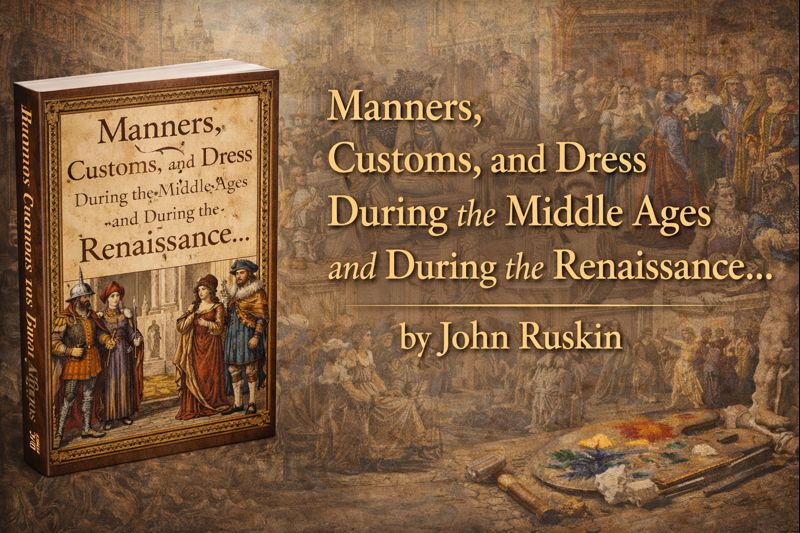
Manners, Customs, and Dress During the Middle Ages and During the Renaissance is a detailed historical study that explores everyday life in Europe from roughly the 5th to the 16th century. Unlike political or military histories, this work focuses on social behavior, daily customs, clothing, etiquette, and cultural practices that shaped how people lived, interacted, and expressed identity.
By examining manners, traditions, and dress, the book offers a vivid picture of how medieval and Renaissance societies functioned at a human level, revealing values, beliefs, and social hierarchies that defined these eras.
Purpose and Scope of the Book
The book aims to document how social norms evolved over time and how these changes reflected broader transformations in European society. It emphasizes that history is not only shaped by kings and wars, but also by ordinary habits such as how people ate, dressed, celebrated, and behaved in public.
Key areas covered include:
Social manners and etiquette
Daily customs and domestic life
Clothing and fashion across social classes
Religious and ceremonial practices
Changes from medieval to Renaissance society
The book combines historical research with descriptive storytelling to make past cultures accessible to modern readers.
Social Structure and Daily Life in the Middle Ages
Medieval society was highly hierarchical. Social position determined nearly every aspect of life, including behavior, clothing, and access to resources. Nobility, clergy, merchants, and peasants lived very different lives, and manners were closely tied to one’s rank.
Daily life revolved around:
Agriculture and seasonal labor
Religious observance
Local community and family structure
Customs were deeply influenced by the Church, which shaped moral behavior, festivals, and social expectations.
Medieval Manners and Etiquette
Manners in the Middle Ages were governed by tradition and authority rather than personal freedom. Proper behavior emphasized respect for social rank, obedience, and religious devotion.
At noble courts, etiquette was formal and symbolic. Table manners, speech, and posture reflected discipline and loyalty. Among common people, manners were simpler but still guided by communal norms and religious values.
The book shows that medieval manners were less about politeness in the modern sense and more about maintaining order and hierarchy.
Customs, Festivals, and Social Rituals
Customs played a central role in medieval life. Festivals marked religious events, agricultural cycles, and local traditions. These gatherings allowed communities to celebrate, socialize, and reinforce shared beliefs.
Important customs included:
Religious feasts and pilgrimages
Marriage and family rituals
Guild traditions and ceremonies
Public punishments and justice rituals
These practices strengthened social cohesion while reinforcing moral expectations.
Dress and Clothing in the Middle Ages
Clothing in the Middle Ages was a powerful symbol of social identity. Laws often regulated what individuals could wear, ensuring that clothing reflected class status.
Key features of medieval dress included:
Heavy fabrics suited to climate and labor
Simple cuts for common people
Rich materials and decoration for nobility
Religious garments symbolizing devotion and authority
Dress was practical but also symbolic, communicating wealth, occupation, and moral standing.
Transition Toward the Renaissance
As Europe moved toward the Renaissance, significant social and cultural changes occurred. Economic growth, urbanization, and renewed interest in classical learning transformed daily life.
The book highlights this transition as a gradual shift rather than a sudden break. Medieval traditions persisted, but new ideas about individuality, beauty, and personal expression emerged.
Renaissance Manners and Social Behavior
Renaissance manners became more refined and self-conscious. Courtesy, elegance, and education gained importance, especially among the upper classes. Manuals on etiquette and behavior became popular, reflecting a growing concern with appearance and reputation.
Conversation, posture, and personal conduct were seen as reflections of intelligence and social worth.
Key idea: Manners evolved from enforcing hierarchy to expressing cultural sophistication.
Renaissance Customs and Cultural Life
Customs during the Renaissance emphasized art, learning, and social display. Public events such as banquets, performances, and civic celebrations became opportunities to demonstrate wealth and cultural taste.
Education and literacy expanded, influencing how people interacted and viewed the world. Social customs increasingly reflected humanist values, emphasizing reason, creativity, and worldly achievement.
Dress and Fashion During the Renaissance
Renaissance clothing marked a dramatic change from medieval styles. Fashion became more elaborate, colorful, and expressive. Clothing was used to display individuality, artistic taste, and social ambition.
Features of Renaissance dress included:
Rich fabrics such as silk and velvet
Tailored garments emphasizing the human form
Decorative elements and accessories
Influence of art on fashion design
The book shows how fashion mirrored Renaissance ideals of beauty, proportion, and human dignity.
Gender Roles and Social Expectations
The book also examines how manners and dress reflected gender roles. Men’s clothing and behavior emphasized status and authority, while women’s dress often symbolized family honor and social position.
However, the Renaissance offered some women increased visibility through education, fashion, and cultural participation, even though social restrictions remained strong.
Cultural Significance of Manners and Dress
A central theme of the book is that manners and clothing are historical documents. They reveal how societies viewed morality, power, gender, and identity.
By studying these elements, readers gain insight into how values changed from medieval spirituality to Renaissance humanism.
Why This Book Still Matters
Manners, Customs, and Dress During the Middle Ages and During the Renaissance remains relevant because it:
Humanizes historical periods
Explains cultural change through daily life
Enhances understanding of art and literature
Provides context for social history
It reminds readers that history lives not only in events, but in habits, appearance, and behavior.
Practical Takeaways for Modern Readers
Culture is reflected in everyday behavior
Fashion communicates social values
Social norms evolve with economic and intellectual change
Studying daily life deepens historical understanding
Final Thoughts
Manners, Customs, and Dress During the Middle Ages and During the Renaissance offers a rich and engaging portrait of European society across two transformative periods. By focusing on how people lived, dressed, and interacted, the book brings history closer to the reader and reveals the cultural foundations of modern social life.
It is an invaluable resource for students, historians, artists, and anyone interested in understanding the human side of history.
Disclaimer
This article is an original summary and historical analysis of Manners, Customs, and Dress During the Middle Ages and During the Renaissance. It is intended for educational and informational purposes and does not replace the original work.